When it comes to building in storm-prone areas like Hilton Head Island and the South Carolina Lowcountry, there’s no room for cutting corners. This region, known for its stunning coastal beauty, is also notorious for its vulnerability to hurricanes, flooding, and high winds. Whether you’re constructing a residential home or a commercial building, understanding the unique challenges and requirements of this environment is essential for creating structures that are both safe and resilient.
Here’s a closer look at some of the key considerations for building in this storm-prone region:
1. Elevation: Building Above the Flood Line
Flooding is one of the most critical risks facing the Lowcountry, and elevation plays a key role in protecting homes and businesses from water damage. While FEMA establishes minimum elevation requirements, the Town of Hilton Head Island goes a step further by adding one foot of freeboard. This additional height provides an extra layer of protection but also introduces design and construction challenges.
Elevation Challenges
Bringing a structure up to the required height is not always straightforward. Many lots require fill dirt, which can be costly and difficult to source. To avoid high expenses, builders often turn to alternatives such as elevated foundations, crawl spaces, or pilings. These methods ensure compliance with elevation requirements without relying solely on fill.
Making Use of Space
When a building must be raised 9 feet or more, it often makes sense to gain extra value by going higher. This allows for functional space underneath the home, typically used for garages, parking areas, or storage. However, strictly enforced floodplain regulations limit what can be built below the Base Flood Elevation. These areas may not be finished or used as livable space, and they must include proper flood venting to allow water to pass through without causing major structural damage.
Accessibility in Commercial Buildings
For commercial properties, the challenge of elevation comes with another layer of complexity: accessibility. Raised main floors must still provide access for all, in compliance with ADA requirements. This is typically achieved through elevators or carefully designed handicap ramps with switchbacks, both of which add cost and planning considerations to commercial projects.
Development Limitations
Because of the financial and logistical hurdles associated with building elevated structures, large-scale projects such as hospitals, manufacturing plants, or distribution centers are rarely built in flood zones below Zone X. In practice, this means major facilities tend to locate outside of these higher-risk areas to avoid elevation-related constraints altogether.
2. Flood-Resistant Materials and Design
In flood-prone areas, the materials and design of a building can make all the difference. The goal is to minimize water damage and ensure quick recovery after a storm.
- Water-Resistant Surfaces: Avoid using wall or door materials that can be easily damaged by water. Masonry and concrete are excellent choices for durability.
- Elevated Electrical Systems: Outlets and switches should be installed well above potential flood levels—sometimes as high as 6 feet—to prevent electrical damage and hazards.
- Hydrostatic Flood Vents: For commercial structures like fire stations, hydrostatic flood vents allow water to flow through spaces like apparatus bays, reducing pressure on walls and minimizing structural damage.

- Alternatively, removable flood doors or barriers can be installed to keep water out shortly before a storm event.

3. Wind Resistance: Preparing for High-Impact Storms
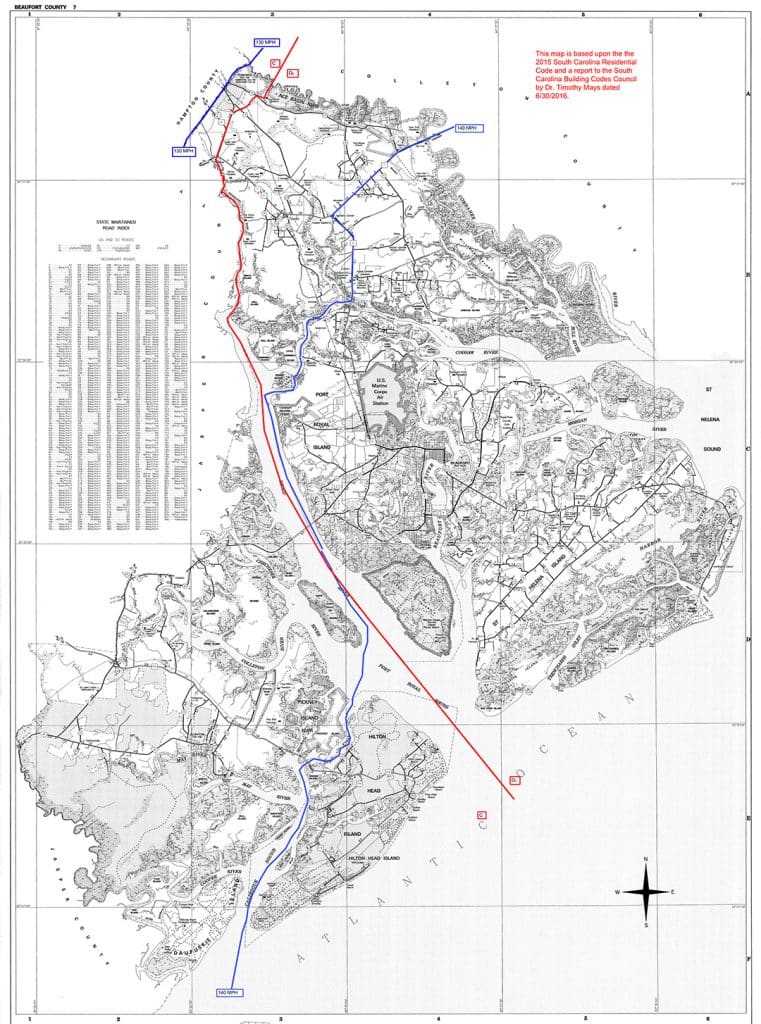
The entire Lowcountry coastal plain is in a hurricane-prone region, and Hilton Head Island, The town of Beaufort, and Lady’s Island are classified as a high-impact wind zone (wind speed 140+ mph). This means that buildings must be designed to withstand powerful winds and flying debris.
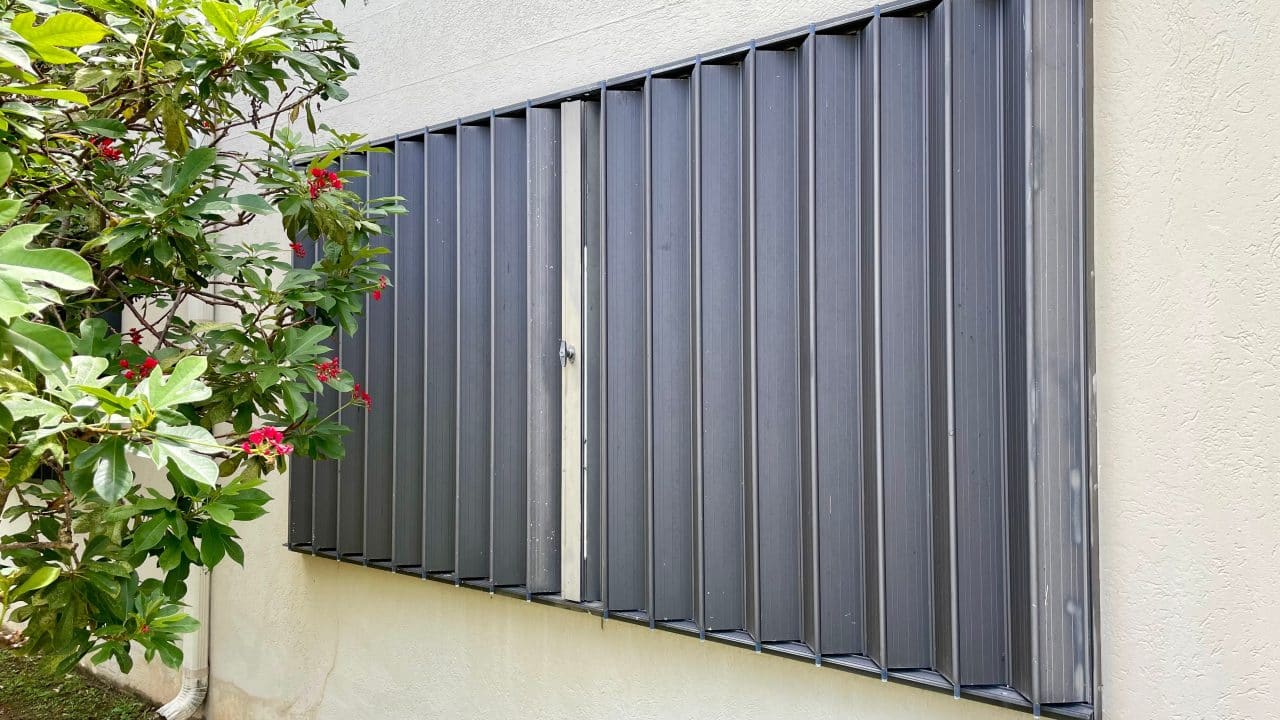
- Impact-Rated Glass: All windows and glass doors should either be impact-rated or protected with removable storm shutters
- Building Use and Location: The need for storm-rated construction depends on factors like proximity to the coast or tidal rivers and the building’s purpose. For example:
- Unoccupied storage buildings have lower requirements.
- Commercial offices fall into a medium-risk category.
- Critical facilities like hospitals and fire stations require the highest level of storm resistance.
4. Emergency Power Solutions
Power outages are almost inevitable during severe storms, making emergency power systems a must-have for both residential and commercial buildings.
- Generator Options: Emergency generators are the most common solution and are available in natural gas, propane, gasoline, and diesel models. For added reliability, some clients opt for dual connections, such as tying into Palmetto Electric with a backup connection to Dominion Energy.
- Commercial Considerations: For businesses, maintaining operations during a storm is critical. Impact-rated windows and robust power systems ensure safety and continuity.
5. Building Smarter for the Lowcountry
Constructing a storm-resilient building in the South Carolina Lowcountry requires a deep understanding of local conditions and regulations. From elevation and flood resistance to wind protection and emergency power, every detail matters. At Fraser Construction, we specialize in designing and building structures that stand up to the challenges of this unique environment. Whether you’re planning a new construction or a commercial project, our team is here to guide you every step of the way.
Ready to Build Resilience?
If you’re considering a construction project in the South Carolina Lowcountry, Fraser Construction has the expertise to bring your vision to life—safely and sustainably. Contact us today to learn more about our storm-resistant building solutions.

Leave a Reply