Choosing the right project delivery method is one of the most important decisions in commercial construction. While traditional construction methods separate the design phase from the building phase, the design-build approach brings both under one roof. It’s a method that fosters collaboration, streamlines the process, and often results in better outcomes for all involved.
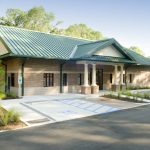
Fraser Construction, a specialist in commercial projects, has long embraced the design-build approach. Our first design-build project—a fire station in the early 2000s—was a tremendous success, paving the way for many more fire station projects and solidifying our expertise in this method. By combining design and construction expertise, we enhance efficiency, manage costs effectively, and deliver high-quality results across a wide range of commercial projects.
Here’s a closer look at what the design-build process entails and why it has become a preferred method for commercial construction projects.
What Is the Design-Build Approach?
The design-build approach consolidates the responsibilities of design and construction into a single contract and team. Instead of managing separate relationships with architects, engineers, and contractors, the owner works with one entity that oversees the entire project.
This unified structure changes the dynamic of a project. Rather than navigating potential conflicts or disconnects between designers and builders, all parties work together from the outset. This integrated collaboration reduces confusion, improves communication, and paves the way for more cohesive project execution.
Key Benefits of Design-Build
The design-build approach offers significant advantages over the traditional design-bid-build process, making it an excellent choice for commercial construction projects. By integrating design and construction under one team, this method fosters collaboration, accelerates timelines, improves cost control, simplifies accountability, and enhances overall quality. Here’s how:
1. Enhanced Collaboration
With a single team managing both design and construction, communication flows more effectively. Architects, engineers, and contractors frequently consult with one another throughout the process. This frequent communication helps identify potential challenges early, allowing solutions to be developed collaboratively. For example, if structural adjustments are required during the design phase, they can be discussed and resolved without delays.
At Fraser Construction, our deep integration of design and construction means architects consider builder input from the start, ensuring the final result is both visually and structurally sound.
2. Shorter Project Timelines
The design-build method is more efficient because project phases can overlap. While design work is being finalized, pre-construction activities such as permitting or ordering materials can begin. This eliminates the downtime inherent in linear processes like design-bid-build, where construction can only start after design approval and contractor bidding.
This approach enables Fraser Construction to fast-track parts of a project when needed, meeting tight deadlines without cutting corners. Many of our projects involving pre-engineered metal buildings follow the design-build method. In the final third of the design phase, we often expedite the order of the metal building, allowing us to clear the lot and pour the slab within two months. With a fast-tracked order, the project can transition seamlessly into metal building erection, avoiding delays. In contrast, projects that do not fast-track the metal building order often face a scheduling gap after the slab is poured, waiting for the structure to arrive.
3. Increased Cost Control
Design-build inherently improves cost management through its emphasis on early collaboration. Designers and builders work together from the outset to align project goals with budgetary constraints, preventing costly redesigns or overruns. A key part of our design-build process is having clients establish their budget upfront, allowing us to tailor the design and construction approach accordingly. For profit-generating facilities, this often means ensuring that total project costs remain below a specific figure in the owner’s pro forma—typically an amount that keeps debt service and operating expenses below breakeven. This proactive coordination helps eliminate financial uncertainty and streamlines decision-making.
For example, Fraser Construction worked with a developer on a mixed-use retail and office project where rent projections required total construction costs to stay under $5 million to maintain profitability. By evaluating material options and construction techniques early in the design phase, we identified cost-saving opportunities—such as optimizing structural steel quantities and selecting energy-efficient systems with lower long-term operating costs—while preserving the project’s functionality and aesthetics. This proactive approach translated to fewer unexpected costs during construction and ensured the project met the owner’s financial goals.
4. Simplified Accountability
Design-build consolidates responsibility under one roof. Instead of managing separate contracts with design firms and construction teams, the owner has a single point of accountability. This simplified arrangement minimizes the risk of blame-shifting if issues arise and ensures that all parties stay aligned with the project’s goals.
For clients, this means fewer headaches trying to mediate between competing priorities. The result is a smoother, more predictable experience.
5. A Higher Standard of Quality
The collaboration that defines the design-build process often leads to better results. Builders provide input during the design phase on the feasibility and functionality of proposed elements, reducing the chances of revisions or rework during construction. Quality standards are also easier to maintain when the same team oversees the project from start to finish.
By combining collaboration, efficiency, cost control, accountability, and quality, the design-build approach creates a streamlined and effective construction process. Fraser Construction has successfully applied this method across a range of commercial projects, ensuring that each one meets our clients’ expectations while staying on time and within budget. Whether you’re planning a fire station, a pre-engineered metal building, or another commercial facility, design-build offers a proven path to success.
Why Design-Build Works for Commercial Projects
The design-build approach is particularly well-suited to commercial projects, where timelines, budgets, and functionality are often top priorities. Whether you’re developing office space, retail facilities, or community buildings, the method is designed to handle complexity with flexibility.
By integrating design and construction, the process reduces delays and builds efficiencies that ensure better outcomes. Commercial spaces demand solutions that are practical, durable, and aesthetically pleasing. Design-build excels at combining these needs into one cohesive process.
Learn More About Fraser Construction’s Design-Build Expertise
Fraser Construction has extensive experience in commercial construction and has long embraced the advantages of the design-build method. By working closely with property owners and stakeholders from day one, we ensure projects are executed efficiently, cost-effectively, and with exceptional quality.
To learn more about how Fraser Construction can assist with your next project, explore our services or connect with our team. Discover how the design-build approach can make your vision a reality while simplifying the process along the way. Consider making design-build your next step toward a successful commercial construction experience.