The 9-to-5 cubicle life feels like a distant memory for most of us. We have moved past the era where productivity was measured by hours spent at a designated desk. Instead, we are settling into a new normal: hybrid workspaces. This shift isn’t just about policy; it demands a physical transformation of where we work.
Businesses everywhere are realizing their old office layouts don’t fit new behaviors. When employees can work from anywhere, the office needs to become a destination worth commuting to. It must offer something the home office cannot—collaboration, culture, and connection.
At Fraser Construction, we see this shift as an opportunity. It is a chance to rethink commercial real estate not as a container for people, but as a tool for success. Here is how forward-thinking companies are adapting their spaces for the hybrid workspaces era.
The Challenge of the Traditional Office
Traditional offices were built for density. Rows of desks, static meeting rooms, and corner offices for executives defined the landscape. The goal was often to fit as many people as possible into a square footage footprint.
In a hybrid world, this model fails. If half your team is remote on any given day, rows of empty desks create a “ghost town” atmosphere that kills morale. Furthermore, when employees do come in, they aren’t coming to sit alone and answer emails—they can do that at home. They are coming to brainstorm, meet clients, or socialize.
A static office layout creates friction. It lacks the flexibility to handle fluctuating headcounts and doesn’t support the specific activities that drive people to the office. This is where adaptive construction comes into play.
Modular Design: Flexibility is Key
The most effective hybrid workspaces are built on the concept of modularity. Businesses need spaces that can change as quickly as their needs do. This goes beyond just buying furniture on wheels. It involves structural decisions during the construction or renovation phase.
Movable Walls and Partitions
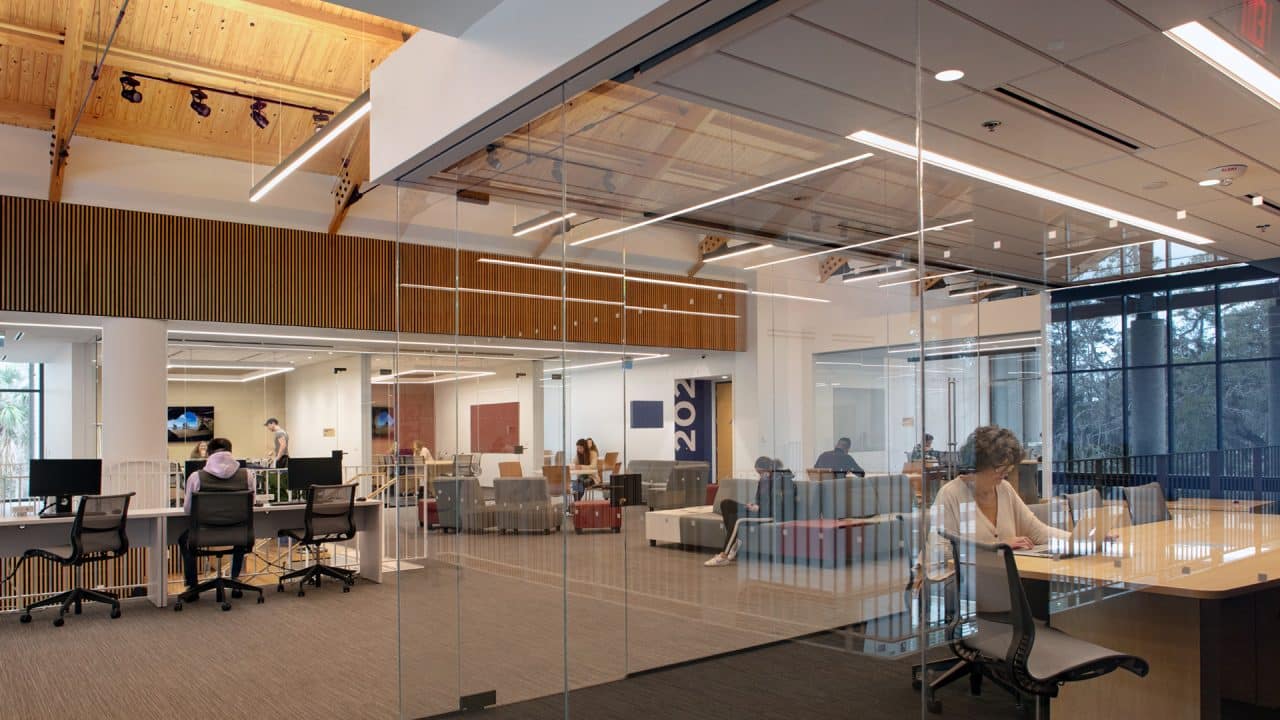
Permanent walls are becoming less common in open floor plans. Instead, we are seeing a rise in demountable partitions and movable glass walls. These allow a large conference room to be split into two smaller breakout rooms within minutes. This flexibility means your real estate investment works harder for you, accommodating a town hall meeting in the morning and project scrums in the afternoon.

Multi-Purpose Zones
The rigid distinction between the “break room” and the “work room” is blurring. Modern layouts often feature café-style seating areas that serve as social hubs during lunch but transform into informal meeting spots or individual workstations during the day. By using durable, high-quality materials and thoughtful acoustic design, Fraser Construction helps clients create zones that serve multiple functions without sacrificing professionalism.
Prioritizing Collaborative Zones
If the home office is for focus, the corporate office is for collaboration. This philosophy is reshaping floor plans significantly. We are seeing a reduction in individual square footage to make room for diverse collaborative environments.
Huddle Rooms and Phone Booths
Open offices can be noisy. When hybrid employees come in, they often need to jump on video calls with remote colleagues. “Phone booths”—small, soundproofed pods—are essential for this. They prevent one person’s Zoom call from disrupting the entire room. Similarly, small huddle rooms equipped with screens allow for quick, impromptu sync-ups without occupying a 12-person boardroom.

“Living Room” Style Meeting Areas
Formal boardrooms can feel stiff and stifling for creative work. Many companies are opting for lounge-style meeting areas with comfortable seating, softer lighting, and relaxed atmospheres. These spaces encourage casual conversation and creative thinking, making the office feel more welcoming and less clinical.

Acoustic Privacy Through Sound Masking
Beyond constructing physical barriers like phone booths, achieving true auditory privacy often requires a more nuanced approach. Sound masking systems are a critical component of modern acoustic design. These systems emit a low-level, continuous, and broadband sound (often described as a gentle whoosh, similar to softly running air) that is specifically engineered to the ambient frequency of human speech. This process doesn’t cancel sound, but rather raises the background noise floor just enough to make conversations—especially phone calls—unintelligible to nearby listeners. This technology is vital for open offices or sensitive areas like reception desks, providing a cost-effective and flexible way to ensure that private discussions, whether on the phone or in-person, remain confidential without the need for additional drywall.
Technology Integration: Bridging the Gap
A beautiful office is useless if it doesn’t work seamlessly with technology. In hybrid workspaces, equity is crucial. Remote participants need to feel just as present as those in the room. This requirement impacts construction and design heavily.
Smart Conference Rooms
We are integrating technology directly into the build. This means planning for advanced cabling, ceiling microphones, and acoustic treatments that ensure crystal-clear audio. It’s about designing rooms where the camera angles capture everyone, not just the person at the head of the table.
Sensor-Driven Efficiency
Smart buildings are becoming smarter. Occupancy sensors can help facility managers understand how spaces are actually used. Are the huddle rooms always full while the boardroom sits empty? This data allows businesses to make informed decisions about future renovations or layout tweaks. Integrating these systems requires experienced contractors who understand the intersection of physical infrastructure and digital networks.
How Fraser Construction Builds for the Future
At Fraser Construction, we understand that no two businesses operate exactly alike. A law firm needs a different hybrid solution than a tech startup or a creative agency. We don’t just pour concrete and put up drywall; we partner with you to understand your workflow.
We specialize in:
- Adaptive Reuse: Transforming outdated layouts into vibrant, modern hybrid workspaces.
- Acoustic Solutions: Installing sound-dampening materials that make open plans livable.
- Structural Flexibility: Building with future modifications in mind, so your space can evolve with your company.
- Seamless Tech Integration: Working alongside IT specialists to ensure your infrastructure supports your digital needs.
Navigating the transition to hybrid work can be complex, but your physical space shouldn’t be a roadblock. It should be an asset.
Conclusion
The office isn’t dead, but the old way of designing it certainly is. By embracing modularity, prioritizing collaboration, and seamlessly integrating technology, businesses can create environments that people actually want to visit.
Your office is a reflection of your culture. Is yours saying the right thing?
If you are ready to rethink your commercial space for the modern workforce, Fraser Construction is here to help. We bring the expertise, craftsmanship, and vision needed to build offices that work as hard as you do. Let’s build the future of work together.